

In the cities with high levels of octane such as Mumbai, Bengaluru, and Delhi "hustle culture" often comes with a high cost for the body. By 2026, longitudinal studies show that 86 percent of Indian professional suffer from burnout as well as more than 60% of them suffer with chronic deficiency in protein. In the present, for an Indian businessperson or executive The issue isn't absence of determination, it's the absence of time. This guide is comprehensive and provides practical efficient, time-saving health-conscious lifestyle suggestions for hectic Indians that seamlessly into their 9-to-9 work schedule by bridging the gap between traditional Vedic knowledge and the latest nutrition science.
1. Master the "Metabolic Plate": Nutrition for the Time-Poor
In 2026 the public health agenda is shifting from simple counting calories to metabolic adaptability. In the case of Indians who eat traditional Indian diets that tend to be high in refined carbs (polished the rice, and maida-rotis) the ability to regulate blood sugar is the one and only most efficient way to ward off the common mid-afternoon crash.
The 50-25-25 Rule for Indian Thalis
In order to optimize your energy and hormone levels, you must restructure your diet:
- 50% fiber: This should consist of a variety of seasonal Sabzis (vegetables) such as Okra, spinach or bitter gourd. You can also mix it with fresh salads. Fiber can slow the absorption of sugar in your bloodstream.
- 25% protein Because the majority of urban Indians have a protein deficit, it is recommended to eat Paneer Greek yogurts, eggs and sprouts as well as the lean cuts of meat. Try to get 0.8g up to 1 gram of protein for every kilogram or bodyweight to keep muscle mass intact.
- 25 Complex Carbs: Replace white rice by old-fashioned millets such as Jowar, Bajra, or Ragi. These are low-glycemicindex (GI) food products that give long-term glucose release.
Smart Swaps for the Indian Pantry
- Fat Source Stay away from vegetable oil refined (seed oils) and switch to mustard oil cold-pressed, coconut oil, or tiny portions in A2 Desi Ghee.
- Sugar Alternatives You can replace the white sugar you use in your tea with monkfruit, stevia or a small amount from jaggery (gud) and is a trace mineral source.
Read also: Best Fat Burning Workouts for Beginners at Home Simple Plan for Quick Results
2. Integrated Fitness: The "Movement Snacking" Revolution
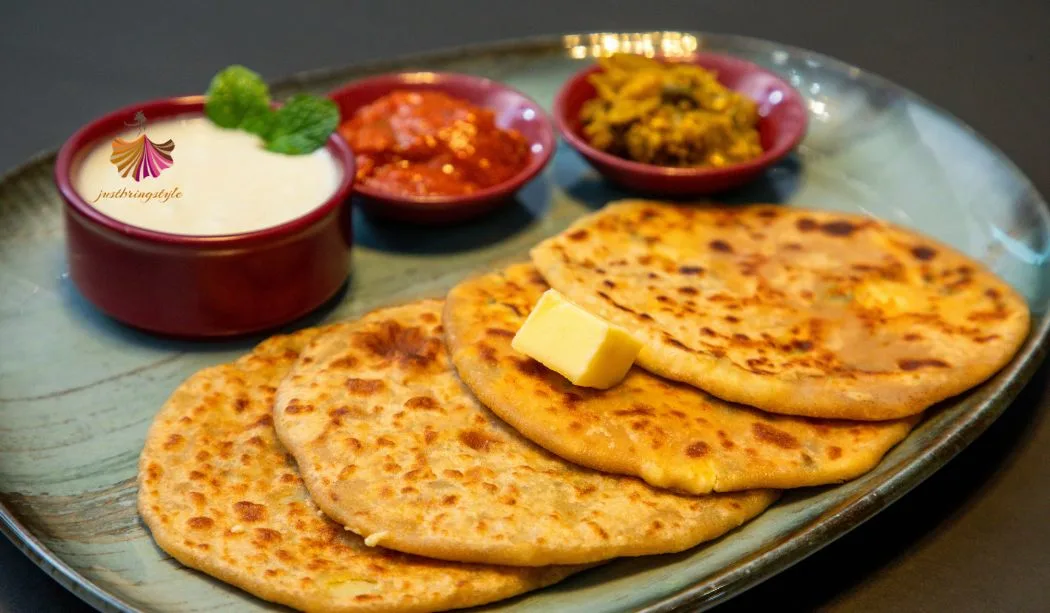
If you can't get 60 minutes of an exercise session, try finding seven 10-minute intervals. It is worth noting that the Ministry of Ayush recently updated its Yoga Guidelines to help combat NCDs (Non-Communicable diseases), emphasizing that "micro-movements" are more effective to improve metabolic health than long day of sedentary activity that is followed by an intense evening exercise.
The "Office-Athlete" Strategy
- The HTML0 code is a reference to NEAT (Non-Exercise activity thermogenesis): This refers to the energy that is expended in all activities that are not eating, sleeping, or sporting. Make sure to keep a pace when conference calls are being made and use a standing desk at least two hours per day at a time, and never take the steps.
- Desk Yoga and Ergonomics: Prolonged sitting causes "Gluteal Amnesia" (dead butt syndrome). Integrate Gomukhasana (Cow Pose) (Face Pose) or spinal twists in a seated position every 90 minutes to help combat "tech neck" and lower back strain.
- Zone 2 Cardio Brisk walking so that you're able to continue an ongoing conversation, yet feel very breathless, can be an ideal "magic pill" for heart well-being. Try to walk 8,000 steps a day for a minimum, non-negotiable goal.
3. Ayurvedic Wisdom in a Modern Context
The idea of Dinacharya (daily routine) is more pertinent today than it has ever been. It is not necessary to reside in the forest to reap benefits of Ayurveda. All you need to do is have to be in tune to your Circadian rhythm.
- The Sunken Sun Rule: In the past, Indians ate their largest food during the time of maximum sun (Agni the digestive fire, is the strongest). Make sure you take in 70 percent of your calories by 4:00 PM.
- Herbs and Copper: Drinking from copper vessels (Jal Nidhi) is beneficial to fight off bacterial infections, adding "Adaptogens" like Ashwagandha or Brahmi to your evening routine will significantly reduce the levels of cortisol (the cortisol hormone that causes stress).
- Oil pulling (Gandusha): Swishing cold-pressed coconut oil over 5 minutes while you check your morning emails may improve your oral hygiene, and cleanse the system.
4. Mental Resilience and the Digital Fast
The state of mental health is no longer considered to be a "soft" topic; it is an essential productivity measure. As 35 percent of Indian people reporting that they experience anxiety every day and stress, your emotional health is the most important resource.
The "3-2-1" Sleep Hygiene Protocol
To ensure deep, restorative REM sleep in a noisy urban environment:
- 3 hours before bed: Finish your last big food. Ingestion can interfere with quality of sleep.
- 2 hours before bed: Disconnect from work emails, and engage in intense cognitive activities.
- 1 Hour Before Bed: Zero Blue Light. Change your smartphone to "Grayscale" mode or put it in another location. Blue light blocks melatonin the hormone which tells your brain that it's time to take a break.
Box Breathing for High-Stakes Meetings
If you notice the heart rate increase prior to an event, try the 4-4-5-4 method inhale for four seconds, hold it for four and exhale after 4 and then hold for four. The technique stimulates the Vagus nerve and instantly switches your body's response to "Flight or Fight" to "Rest and Digest."
5. Navigating the "Diabetes Capital"
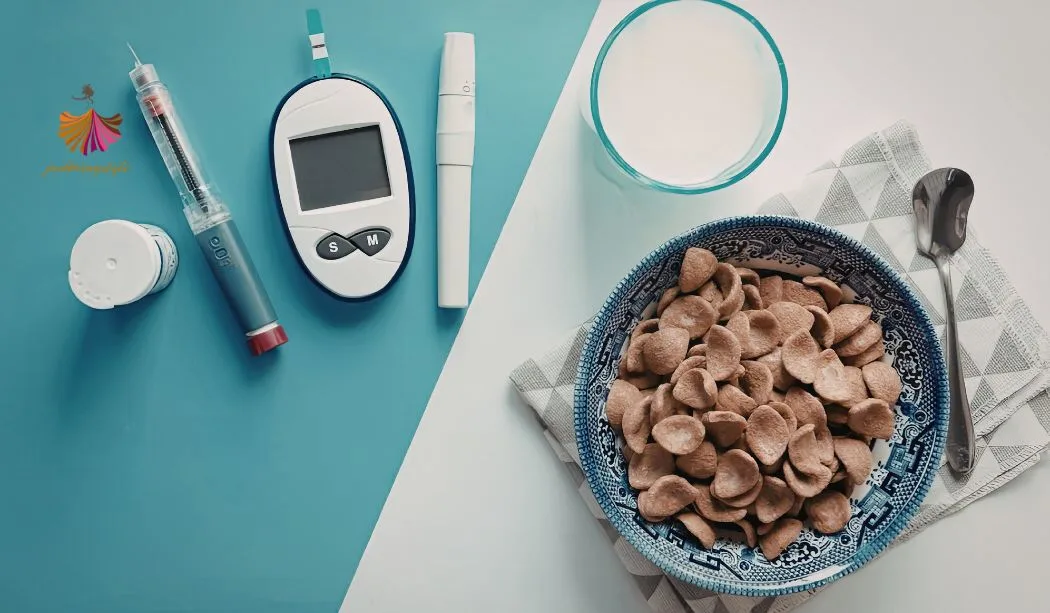
In India, the genetic predisposition towards visceral fat (abdominal fat) is what makes us more prone to developing Type 2 Diabetes and Hypertension with lower BMIs as compared to Western population.
| Risk Factor | Actionable Prevention Habit |
| Insulin Resistance | Run for about 10 minutes right after eating to help lower the sugar spike. |
| Hypertension | Examine Your "hidden salt" intake--specifically pickles Papads, pickles, and even the bread you buy from a store. |
| Vitamin D3/B12 | The majority of urban Indians are in deficient. Have a blood test every six months, and take supplements under medical surveillance. |
| Fatty Liver (NAFLD) | Reducing alcohol and fructose. "Liquid calories" are the main driver for the fat that accumulates in the liver of busy professionals. |
6. Meal Prep for the Desi Kitchen
The most significant obstacle for healthy eating can be "decision fatigue." If you're tired from working, you'll naturally look for an app that delivers food.
-
The Sunday preparation: Spend 2 hours in the kitchen on Sunday, preparing "bases." Boil chickpeas (chole) and kidney beans (rajma), and make a large batch of onion-tomato-ginger-garlic masala. In the week cook time will drop to about 10 minutes.
-
smart Snacking: Keep a "Survival Kit" in your workplace drawer. It should contain Roasted Makhana (fox nuts) as well as walnuts, roasted Chana, as well as seeds (pumpkin/sunflower). This will stop you from the 4:00 PM "Samosa temptation."
-
Probiotics Curd made from scratch (dahi) (also known as buttermilk) (chaas) that contains roasted cumin is vital to maintain gut health. 2026 studies confirm as one of the "second brain" responsible for the immune system and mood.
Read also: Best Oblique Workouts for Men to Burn Fat and Shape Side Abs
7. Environmental Health: The Hidden Factor
In towns such as Gurugram or Mumbai the quality of air and the degree of hardness in water can affect the longevity.
- Air Purification If you live in an area that is prone to pollution and need to invest in HEPA filter air purifiers to your bedroom. In fact, high PM2.5 levels have been linked to general inflammation.
- Hydration The term "dehydration" is frequently misinterpreted as hungry. Try to drink 3 liters of water. If you find water plain boring, mix it by adding (khus), vetiver (khus) and ginger or lemon.
Conclusion: Small Shifts, Exponential Gains
Being able to live the healthier lifestyle for Indians isn't a need for taking a trip to the Himalayas, or two hours of exercise per day. This is all about the cumulative effect of the smallest decisions such as choosing to take to walk up the stairs, choosing the ragi option over wheat, or taking care to sleep as an important ritual.
When it comes to corporate competition it's your body that's the sole vehicle available to you. If you keep it in good condition in the same way that you use to meet the quarterly objectives You won't only make it through the race, you'll conquer it.
Frequently Asked Questions
Q1 Does "Bulletproof Coffee" (coffee with butter or ghee) suitable to Indians?
It could be beneficial to those who practice Intermittent Fasting, but it shouldn't replace a high-nutrient diet if you're already following an eating plan that is high in carbs.
Q2: How do I handle social pressure to eat "junk" at Indian weddings?
Have a light, high-protein snack prior to going to the party. When you arrive at the buffet, look to the tandoori area along with salads; the salads will naturally be less calorie-dense than the hefty gravies and desserts.
Q3: Could just 10 minutes of meditation actually assist?
Yes. Research has shown that five to 10 minutes of meditation will reduce activity in the amygdala (the brain's terror center) and improve making decisions when under pressure.