
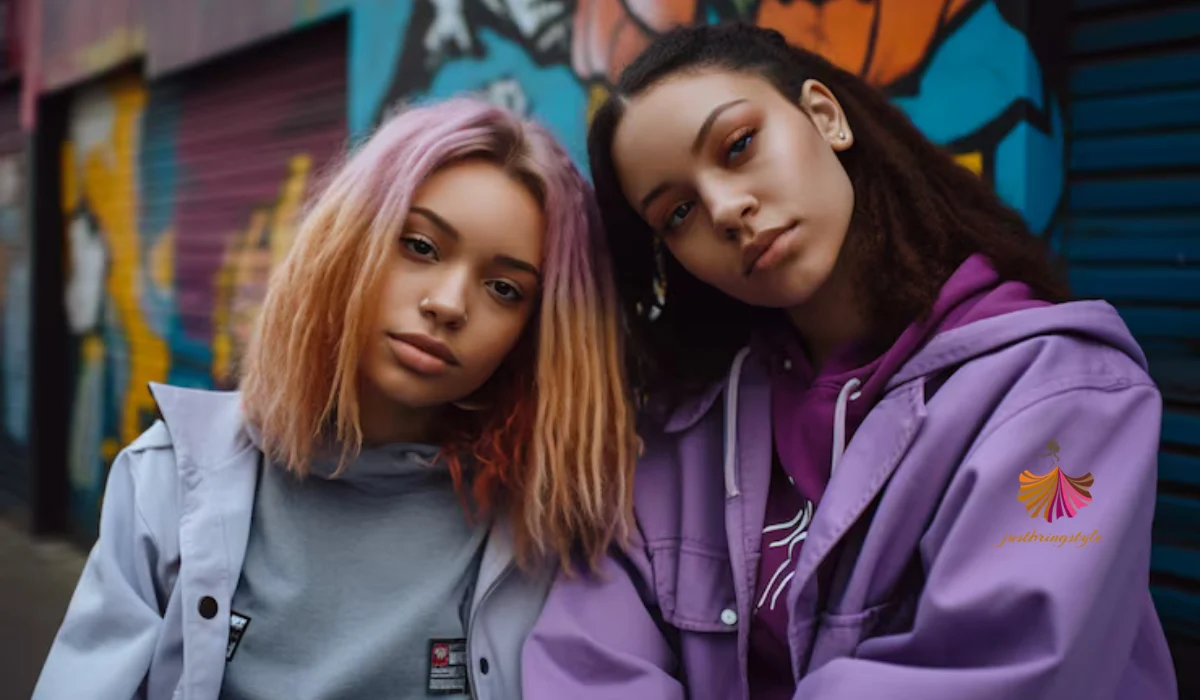
There was a time not that long ago that those who made up the "fashion elite" lived behind steel gates and velvet ropes. The fashion industry was a top-down monologue that was broadcast via the runways in Paris and Milan in which they dictated exactly what people should be wearing. However, then something changed. It became conversations as the runway was changed from the marble floor onto the street made of asphalt.
It's not just a type of clothing, it's also an overall transformation in the power of. It's the time when that the "cool kids" stopped looking at magazines looking for inspiration and began looking at one another. Nowadays, hoodies, graphic tees, and sneakers don't only look casual, they represent the latest in luxury and status symbol as well as the most recognizable fashion statement of the 21st century.
The Roots: From Subculture to Counterculture
For a better understanding of how a $200 billion industry was created by looking at the outskirts of society during the 1970s and into the 1980s. Streetwear wasn't born in a design center; it started in surf stores in Laguna Beach and the concrete playgrounds in New York City.
-
A Surf/Skate The Influence Shawn Stussy, an expert in shaping surfboards, began writing his name using a graffiti style font on T-shirts that he sold along with the boards he was shaping. The graffiti was authentic, raw and unique. The idea was born of a "tribe"--a collection of people who are who are connected through a common, specific fascination.
-
The Hip-Hop Connection: Simultaneously and in Brooklyn and the Bronx and Brooklyn hip-hop was finding its voice in the visuals. Gold chains, tracksuits that were huge and clean sneakers were the symbols of ambition and identity. Brands such as Adidas have become synonymous with Run-D.M.C. which marked the first big crossover of "street" music and global sporting apparel.
In the early years the streetwear fashion was the ultimate symbol of rebellion. It served as a means to allow marginalized groups as well as youth subcultures to proclaim, "I am here, and I don't need your permission to be stylish."
The Power of Scarcity: The "Drop" Culture
While the 1980s were all concerned with the birth of fashion, the 90s and the early 2000s marked the development of the business model. In this era, we saw the rise of fashion brands such as Supreme as well as The Bathing Ape (BAPE) and BAPE, both of which changed the retail paradigm around.
In the past, when a clothing item was in high demand the brand would make more of the garments. Brands that sell streetwear did the reverse. They took on an intentional lack of. In producing small quantities, and dispersing them in "drops," they turned shopping into a game of competitiveness.
"It's not about how much it costs; it's about how hard it was to get."
This shift in psychology resulted in a secondary market is now known by the name of "resell" economy. In the past, sneakers was no longer just a pair of shoes and was an asset class that was often growing in value quicker than gold or stocks.
The Digital Catalyst: Social Media and the Global Village
Prior to the advent of the internet streetwear was more local. There was the London style as well as the Tokyo style, and then that New York look. However, the rise of social media platforms such as Instagram and Hypebeast made the look more accessible to everyone.
-
Visual Storytelling Streetwear has a natural ability to be photographed. The bold logos and "fit pics" were tailor-made to fit Instagram's grid. Instagram grid.
-
The influencer effect Stars such as Kanye West Pharrell Williams and Travis Scott became the new creative directors around the globe. Their power surpassed traditional gatekeepers and directly reached out to millions of fans.
-
Community Building Forums on the internet allowed fans from small towns to communicate with collectors from Tokyo which led to a global "monoculture" of hype.
High Fashion Meets the Street: The Great Merge
The biggest moment in the rising of streetwear is the breaking of the walls in between "low" and "high" fashion. Over the years, high-end houses such as Louis Vuitton as well as Gucci were snobby about streetwear. However, as younger generations began to gain purchasing power, giants of the luxury industry had to change or go out of business.
The collaboration in 2017 with Supreme and Louis Vuitton was the "big bang" moment. The collaboration proved that streetwear wasn't an exclusive subculture, but rather part of the mainstream popular culture. It culminated in the hiring by Virgil abloh -- the creator of Off-White and an advocate of the ethos of streetwear as the Director of Artistic Direction at Louis Vuitton Men's.
The philosophies of Abloh were simple but radical: he was able to treat T-shirts in the same way like a ball gown. He showed his point that "luxury" isn't defined by only the material and is based on the importance of culture associated with it.
Why It Stuck: The Psychology of Comfort and Identity
Why hasn't the fashion-forward streetwear "trend" faded away? It's because it appeals to two basic human needs: comfort and belonging.
-
The casualization of society: The corporate "suit and tie" style is slowly disappearing over the last few years. Silicon Valley tech moguls in Hoodies set the stage for a society where one are able to wear sneakers for an event or meeting in a boardroom.
-
Identity Politics Streetwear acts as the canvas. By using graphic designs and collaborative efforts individuals can express their opinions, their music preferences, as well as their circles of friends without speaking any words. Visual language is one which transcends boundaries.
The Future: Sustainability and the Meta-Street
In the coming decade, streetwear is facing its biggest problem: sustainability. A "fast fashion" element of fashion-driven culture - buying clothes only to snap a picture and to throw them away--is becoming opposed to the environmental awareness in Gen Z and Gen Alpha.
There is a growing interest of "Archive" fashion--the appreciation and the resales of old streetwear items. The "circular" economy suggests that the future of streetwear may not come with the next collection however, it could be in the durability of pieces that have already been created.
In addition, the rise in and the metaverse and fashion on the internet implies that streetwear is shifting into the realm of digital. Limited edition "skins" and NFT sneakers are the new frontier, proving that the spirit of streetwear--scarcity, identity, and community--is platform-agnostic.
Conclusion: The New Establishment
Streetwear has made it from the streets up to the top of the mountain. The initial group of hip-hop and skater heads has evolved into a multi-billion-dollar engine that powers the world economy and determines the fashions that define our time.
It worked due to the fact that it's genuine. It was not conceived at the course of a business meeting. It was created by people who wanted to put their personal stories onto their clothes. In a culture that seems polished and artificial the streetwear is a constant reminder of the authenticity of streetwear as well as the beauty of rush, and the unequivocal beauty of just being yourself.
The suit hasn't been replaced with hoodies, they've also been beaten out by the hoodies.