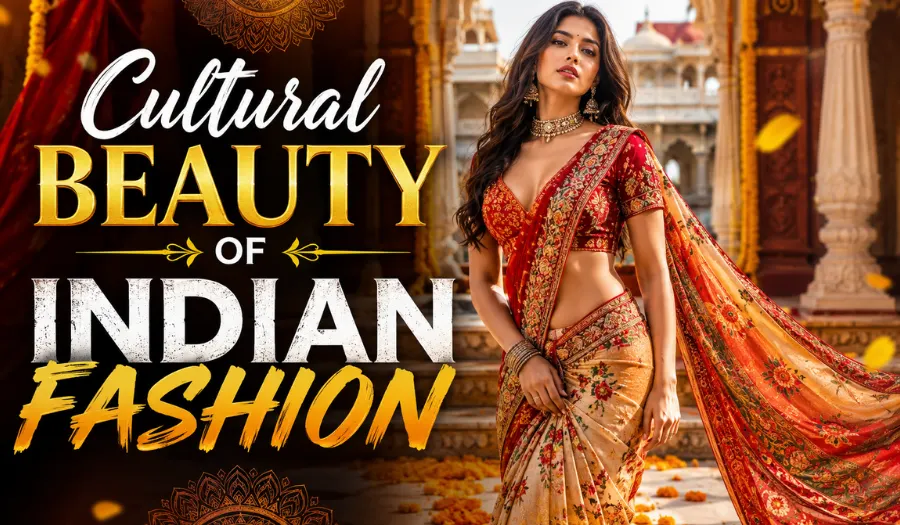
India is a country with beautiful colors, rich tradition, and incredible fashions. In every Indian market, you'll be surrounded by bright, vibrant clothes that will tell tales from centuries long ago. It is the Cultural Beauty Of Indian Fashion is not only about looking beautiful. It's about the past as well as hard-working craftsmen and an unwavering love of artwork that is passed on to generations of families.
From soft cottons that are used in hot summer days to the lustrous silks worn to wedding ceremonies, Indian clothes are deeply tied to daily life. Nowadays, everyone around all over the globe are falling in over these designs. Let's take a fun adventure to find the nature and beauty of ethnic wear in India.
What Are The Most Famous Indian Fashion Traditions?
As we study the time-tested history of Indian style and dress it is clear that there are ways of life that are a thousand years older. Drawings from the past showcase people wearing beautiful and unstitched clothing. Through time, diverse regions developed their distinct fashions.
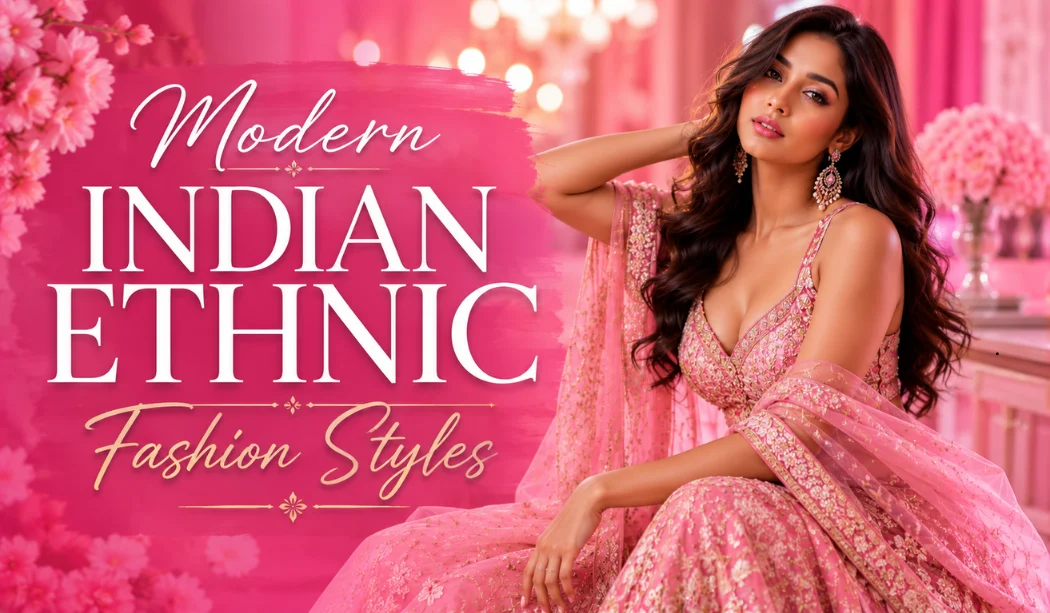
The most renowned fashion of the traditional saree. It's a large length of fabric wrapped on the back of your body. A different major fashion includes that of the Salwar Kameez, which features the perfect tunic with comfortable pants. When celebrating big occasions, many are seen wearing the Lehenga that is a beautiful long, heavy dress that is paired with the top. This outfit reveals the beautiful culture that is indian fashion in the country of india.
Why Is Handcrafted Fashion Important In India?
In the midst of clothes made in a hurry, India holds onto its traditional traditions. However, how is it that hand-made clothing is crucial for India? The answer is in the hands of hundreds of local weaver as well as block printing. Fashions made by hand protect the traditional arts and provide fair employment for villager.
When you purchase a custom-made dress, you're buying something that is a work of art. Fashionable clothes cost a lot and are similar, while hand-crafted items are distinctive. This battle between handmade clothing and modern fashions in India is vital in the present. Handmade items are a great way to save our planet and keep old-fashioned skills in.
How Is Traditional Indian Fashion Made?
Making the clothing is fascinating. When you walk through a weaving town, you'll listen to the beat of handlooms made from wood. The question is, how is traditional Indian style created? It all starts with the natural threads.
Artists spin silk or cotton into silky threads. After that, they apply organic dyes made of turmeric, plants, and indigo, to create vibrant colors. They also use wooden blocks for stamping stunning patterns on the cloth and then embroider the design in the hand with sparkling needles.
Read also: Cultural Fashion Revival In India: Modern Ethnic Wear Trends
The Massive Importance Of Indian Textiles In Fashion
There is no way to discuss style without mentioning the fabrics. The significance of Indian fabrics in fashion is acknowledged worldwide. Since the beginning of time, India has traded its finest cloths to Greece, Rome, and Egypt. These cloths are lightweight as well as breathable. They are ideal for hot weather. They offer comfort and make your wearer appear regal.
Top 10 Cultural Beauty Of Indian Fashion
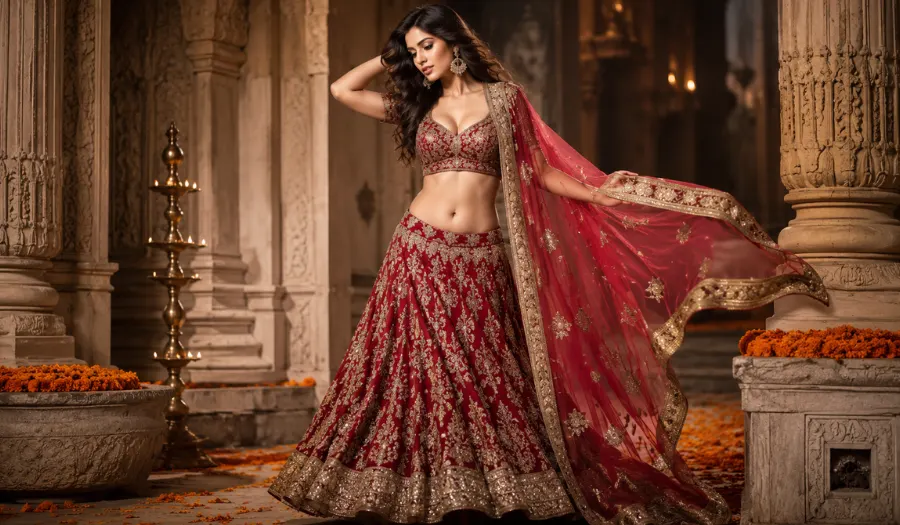
The various styles throughout the nation create an amazing visual picture. These are the ten amazing elements which define this style:
- The eternal Saree: A single piece of fabric which can be draped in more than 80 ways.
- Intricate hand embroidery: Beautiful thread work as Zardozi (gold embroidery) as well as Chikankari.
- HDR Banarasi Silk Shining silk made from Varanasi made of real silver and gold threads.
- Colorful Bandhani: A traditional tie-and-dye technique from Gujarat which creates intricate, gorgeous designs.
- Royal Lehengas: Heavy, dancing skirts that will make any woman feel like a queen during events.
- The humble Khadi Cotton cloth that was hand-spun and that was made famous by Mahatma Gandhi to symbolize the concept of liberty.
- Ornate Gota Patti Beautiful leaf patterns created with metallic ribbons from Rajasthan.
- Ajrakh Block printing: The intricate geometric print created using natural dyes, wooden blocks and.
- The classic Kurta pajama Simple, stylish and very comfortable style suitable for all.
- The Elegant Dupatta A long, slender scarf which adds color to traditional clothes.
Traditional Indian Clothing Female Styles: Saree vs Lehenga Cultural Significance
In deciding what attire to wear to a major event, Indian women often choose among two styles that are iconic. When looking at classic Indian attire for female choices The Lehenga vs saree importance in the culture will be obvious.
The saree symbolizes timeless elegance as well as modesty and history. It is used by women of all ages equally. However the Lehenga symbolizes happiness, joy and energetic youth. Both styles highlight the beautiful aesthetics of indian fashion..
Discover the Best Traditional Fabrics Used in Indian Clothing
India is a rich source of distinctive textiles. Below are a few of the most renowned indigenous fabrics that are used in Indian garments:
| Fabric Name | Origin Region | Unique Feature |
| Kanjivaram Silk | Tamil Nadu | Thin silk with broad gold border |
| Chanderi | Madhya Pradesh | Soft and shimmering texture |
| Mulmul Cotton | West Bengal | Soft and light cotton |
| Pashmina Wool | Kashmir | Warm and soft wool |
Traditional Indian Clothing vs Modern Fashion
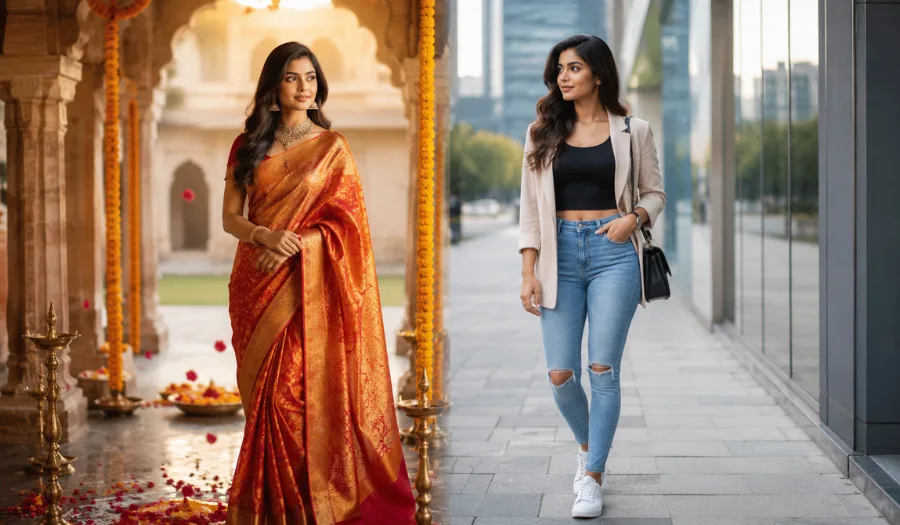
Fashion is a constant change as the times and fashion is also changing. If we look at the traditional Indian clothes with modern day trends and fashion, we can discover a fascinating blend. Today's young people love mixing traditional styles and modern fashions.
You could dress in a traditional silk kurta along with a modern pair of jeans. combine a crop top and an ethnic-inspired skirt. The combination makes fashion enjoyable as well as practical in everyday life, and keeps the cultural heritage intact.
Read also: 10 Indian Cultural Dress Patterns You Need to Know
The Big Impact Of Globalization On Indian Fashion
The globe is significantly interconnected today. The effects of globalization Indian style has led to the adoption of Indian designs to runways across the world. Designers from the world's top brands now employ Indian textiles and embroideries for their designs. While at the same time new styles from abroad have made their way into India. The exchange has widened the creative frontiers showing that traditional attire will adapt to and stay contemporary.
"Indian fashion is not just a trend; it is a living history book written in silk threads and natural dyes. Its true strength lies in its ability to reinvent itself without losing its cultural soul." -- Ananya Sharma, Textile Historian & Design Consultant
Frequently Asked Questions
What makes the cultural beauty of Indian fashion so unique?
It's unique in that it combines many thousands of years of tradition and diverse local arts as well as handcrafted methods that can't be found elsewhere anywhere else in the world.
Why is Khadi fabric so special in India?
Khadi is distinctive because it's spun totally manually. It helps keep you cool during summer and warm during winter. It was one of the major symbols of India's peace struggle in the fight for freedom.
Can beginners style traditional Indian clothing easily?
Yes! For beginners, it is possible to start by wearing a cotton kurta that is paired with leggings or jeans. It is elegant and great and is ideal as a great start to introducing ethnic attire.