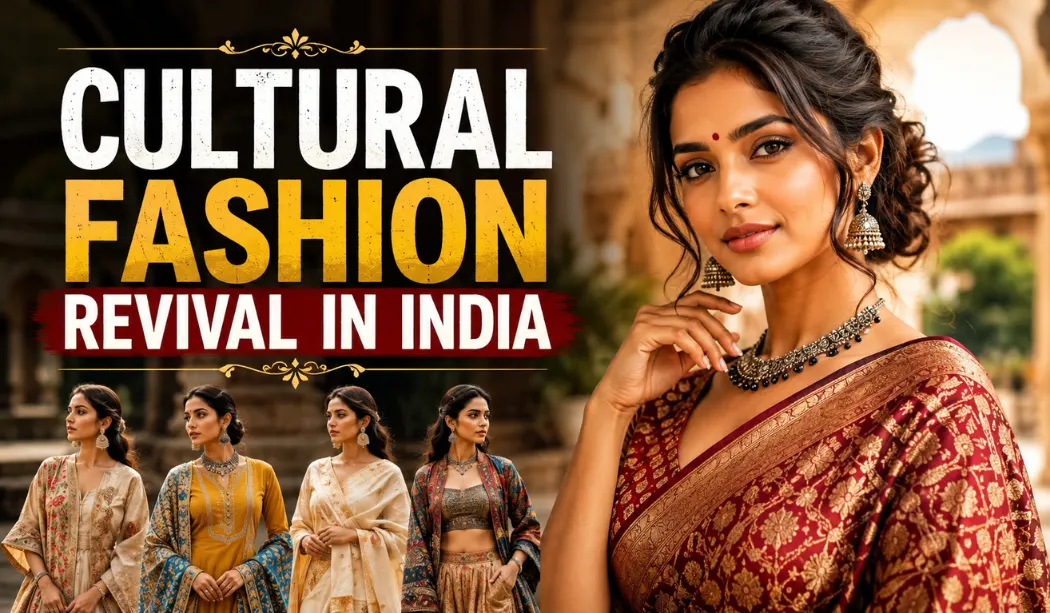
Have you ever looked through your mother's closet and marvelled at the thick silk sarees? The rich colors, gold threads and the delicate touch of woven fabric make you feel magical. This old-fashioned charm has taken over the contemporary world. Hand-woven, beautiful garments aren't just to be worn for festivals or weddings. People of all ages, the high-end designers and regular consumers are favoring local, traditional clothing instead of fast-fashion. The world is witnessing a massive shift within the world of clothing. This stunning trend is referred to by the name of Cultural Fashion Revival In India. From colleges in Delhi to offices at corporate in Bangalore Traditional clothes are being revived in a huge way. Take a look how traditional clothes are changing into one of the hottest trends.
Why Is Cultural Fashion Revival Growing in India?
In the past, cheap Western clothes made by factories dominated the marketplace. The fashion landscape is changing rapidly. Fashionistas are now seeking clothes that tell stories and connect them with their heritage, and reflect their authentic ethnicity through clothing that is rooted in India.
The reason for this is that consumers want distinctive clothes which stand out. It is not a good idea to wear the exact shirt that was made by machine that five others around them. The hand-woven fabric has unique texture as well as beautiful imperfections that machines will never duplicate.
Additionally, the latest fashions in clothing are now embracing local heritage. Indian customers are proud to sport their ethnic heritage. Government programs like its "One District One Product" (ODOP) initiative have increased the demand for traditional crafts, like Lucknow's famed Chikankari embroidery (Singh14 2022). The structural supports make heritage clothing affordable and trendy.
What Are the Most Revived Traditional Indian Textiles?
India offers a wealth of textiles. Each state employs different fabrics, threads, natural colors and weave styles. Fashion experts present a selection of timeless fabrics that are making a comeback.
- Khadi The hand-spun fabric is a significant part of the Indian history (Khurana 2022). It is now not just a plain white fabric. Designers fashion it into cool winter jackets, stylish dresses and comfy shirt.
- Banarasi Silk It is known for its thick gold and silverwork ( Zari) the silk of Varanasi is the most sought-after fabric for weddings. The modern bride is now paired with elegant Banarasi skirts with plain black crop tops.
- Chikankari: This delicate shadow-work hand embroidery is from Lucknow (Singh14 2022). It gives a soft, airy look that's sought-after for casual summer attire.
- Ajrakh as well as Ikat: These special techniques for printing and tie-dye use stunning geometric patterns. They're a popular choice in office attire such as fusion kurtis, stylish scarves, and fashionable scarfs.
Read also: 10 Indian Cultural Dress Patterns You Need to Know
Top 10 Cultural Fashion Revival In India Trends
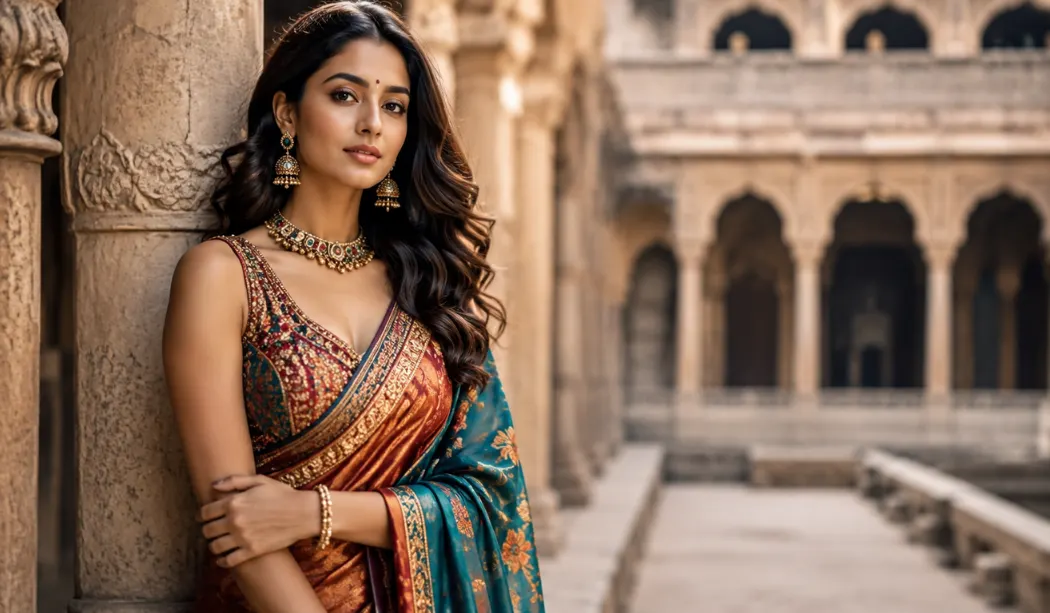
The fashion industry is evolving quickly. The leading 10 trends that are defining the cultural fashion revival in India today:
- Sarees with a contemporary A twist: Women are wearing traditional Kanjivaram and linen sarees, paired with crops, tops, and even jackets made of denim.
- Handloom Co-ord Sets Pants and tops that match composed of breathable Ikat or Khadi dominate informal streetwear.
- Ajrakh Blazers Corporate executives are replacing their boring suit jackets with sophisticated blazers that are made of block-printed, traditional textiles.
- Sneakers in ethnic outfits: Wearing comfortable sports footwear with the weight of lehengas and vibrant kurtas is an enormous success among the Gen Z.
- The Rise of Khadi Denim: The fashion industry is making jeans made from handwoven Khadi cotton. It is a comfortable, airy alternative to traditional denim.
- Fusion Maxi Dresses The long, flowing dresses composed of cotton block-printed such as Dabu and Bagh designs work well to cool Indian summers.
- Men with elegant Kurtas: Men are changing their western clothes to shorter trendy short-kurtas that are made from cotton or linen to wear for their daily workplace clothes.
- eco-friendly bridal wear: Brides are opting for traditional handlooms that are made by hand rather than conventionally produced, chemically-dyed wedding dresses.
- Hair Accessories Hand-crafted: Traditional crafts like the vibrant, braided Paranda that originates from Punjab are being revived in modern fashionable styles (Bhatt 2025).
- Sustainable Statement Dupattas Wearing a basic dress with a splendid handmade Phulkari or Kantha embroidery dupattas to create a statement.
How Is Sustainable Fashion Helping Traditional Crafts?
The popularity of Indian eco-friendly fashion labels can be a blessing for the old fashions. Fashion-driven fashion is harmful to the environment due to the massive amount of waste it generates and makes use of harmful chemicals. Contrarily the traditional Indian craft is eco-friendly due to the nature of things.
If people opt for eco-friendly fashions in India it is the environment to be cleaner. Hand-woven textiles do not require massive power plants. The artisans often dye their textiles using naturally-derived dyes created from plants the peels of pomegranate, as well as indigo flowers (Mishra and Gautam, 2020). The beautiful union between ancient and sustainable living ensures that our planet is kept clean and protecting our cultural history.
The True Value: Handmade Clothing vs Machine-Made Clothing
It's easy to mix factories with hand-crafted art. We will examine how they differ:
| Feature | Handmade Clothing | Machine-Made Clothing |
| Energy Source | Human ability Handloom pedals and human skill | Massive electric factories |
| Uniqueness | Each piece has distinct, unique patterns | Millions of versions |
| Environmental Impact | Carbon footprint very low | The high pollution levels and the chemical waste |
| Durability | Strong, stays beautiful for decades | The color fades after couple of washes |
Making your own items is an affirmation of classic fashion over modern fashion. This ensures that your wardrobe is packed with sturdy pieces which are incredibly soulful.
Empowering the Roots: Role of Artisans in Indian Fashion Revival
Behind each beautiful handloom garment is an experienced hand-woven artisan. Millions of rural weaver and embroiderers are the core of the movement (Mishra 2025).
The crafter's role as part of the Indian style revival shifts from invisible laborers to famous designer partners. Over the years, families handed down intricate weaving methods from one generation to the next (Memon and others. 2022).
The top brands in clothing today collaborate directly with traditional master weaver communities. The direct relationship guarantees that they are paid fair and stops middlemen from taking their profits. If weavers are paid fair the children will are eager to learn their family's craft as well. The Indian arts remain in the present for future generations.
Style Guide: Modern Adaptations of Indian Ethnic Wear
There is no need to wait until the festival season is over to put on traditional clothes. Contemporary adaptations of Indian traditional clothing allow you to blend traditional items in your everyday clothes.
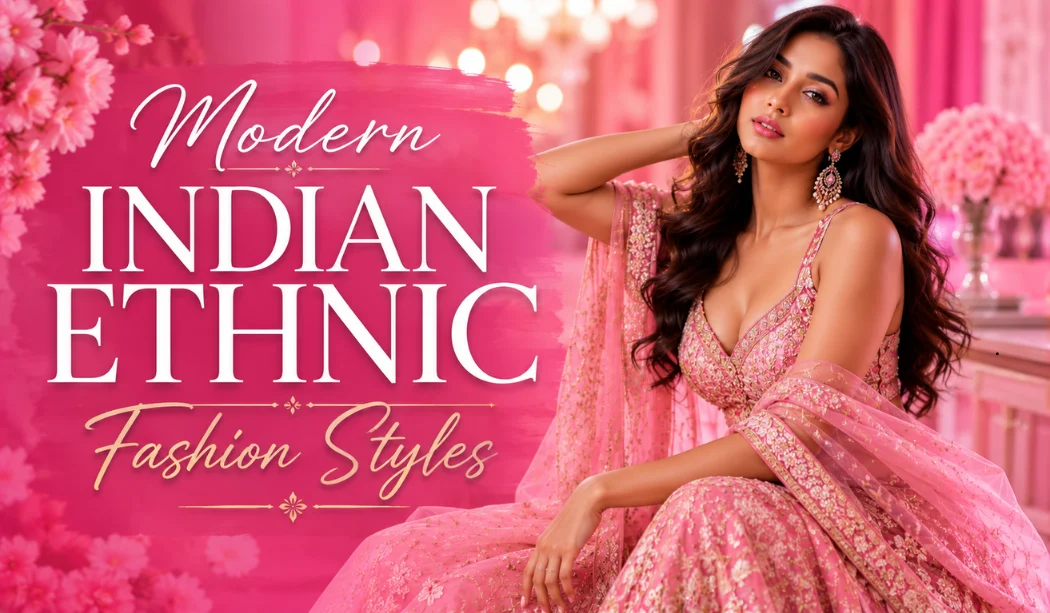
You can pair with an Ikat print short kurti your favourite blue jeans to create an easy, casual college style. To wear to work, choose the perfect cotton shirt made by Indigo blocks. The male can put on a comfortable Khadi t-shirt over casual pants to create a stylish semi-formal look. The combination of a classic piece with normal western clothing creates an elegant stylish, comfy, and distinctive style.
Read also: Modern Indian Cultural Fashion Trends: The Ultimate Fusion Guide
The Power of the Revival of Handloom Fashion in India
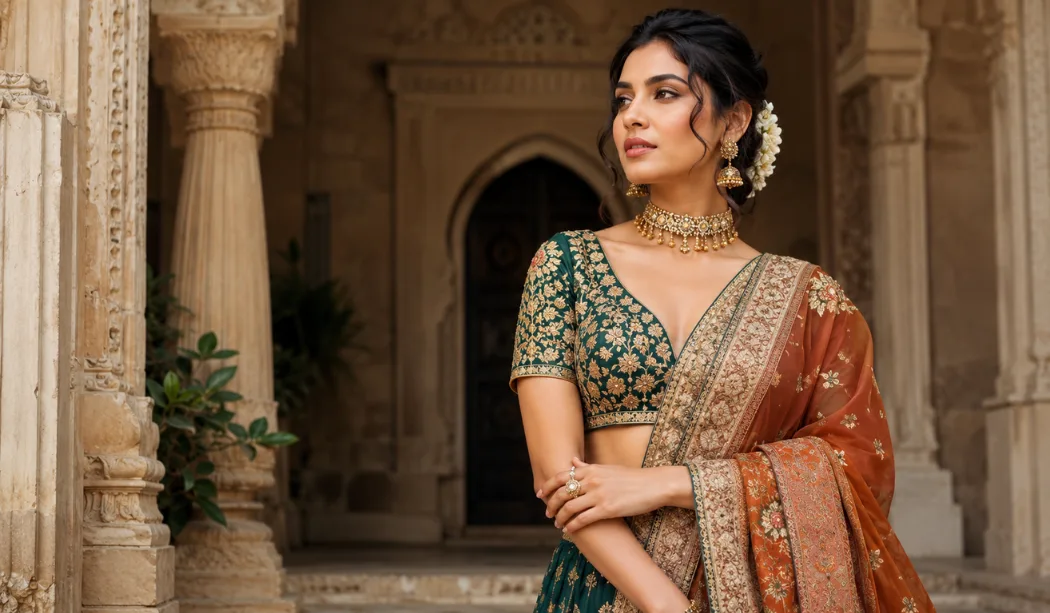
It is clear that the revival of handlooms in India is not just a temporary trend. It's a huge change in the way people live. The choice of traditional Indian clothes in a modern way allows rural families to earn an income, safeguards the natural environment and helps keep the ancient art of weaving living. If you are shopping check out labels that are handmade. Be proud of your cultural heritage and join the fashion revolution that is beautiful.
Expert Insights on Heritage Fashion
"The hand-woven textile sector is not just an industry; it is a living archive of our culture. When consumers choose handloom, they are investing in human history and sustainable survival." -- Dr. G. M. Ranathunga, Textile Historian & Research Expert (Memon et al., 2022)
Frequently Asked Questions
Why is fast fashion bad for traditional Indian artisans?
The fast fashion industry makes use of massive machinery to reproduce traditional designs fast and at a low cost. The result is a flood of inferior copies. This makes difficult for craftsmen to market their original slow-made, handcrafted work at an affordable price.
How can I check if my clothing is authentic handloom?
Check for government-issued certifications for example for example the Handloom Mark or Silk Mark on the garments. Genuine handmade textiles also show tiny, stunning variation in weaving lines while machine-produced fabrics appear like they are perfectly and flat.
Are sustainable Indian clothes very expensive?
Although handmade clothing can be higher upfront as compared to fast fashion but they're extremely robust and will last for many years. It makes them a more sensible and more affordable option over the course of time since you don't have to change them frequently.