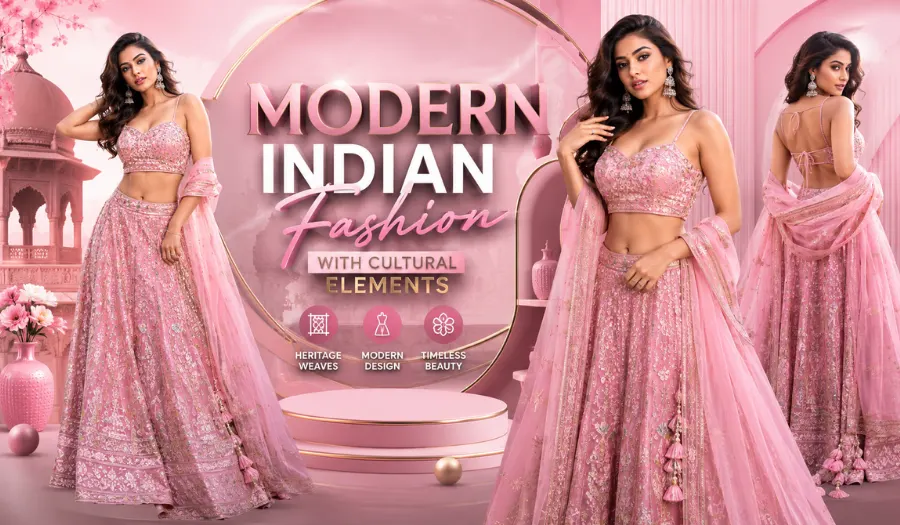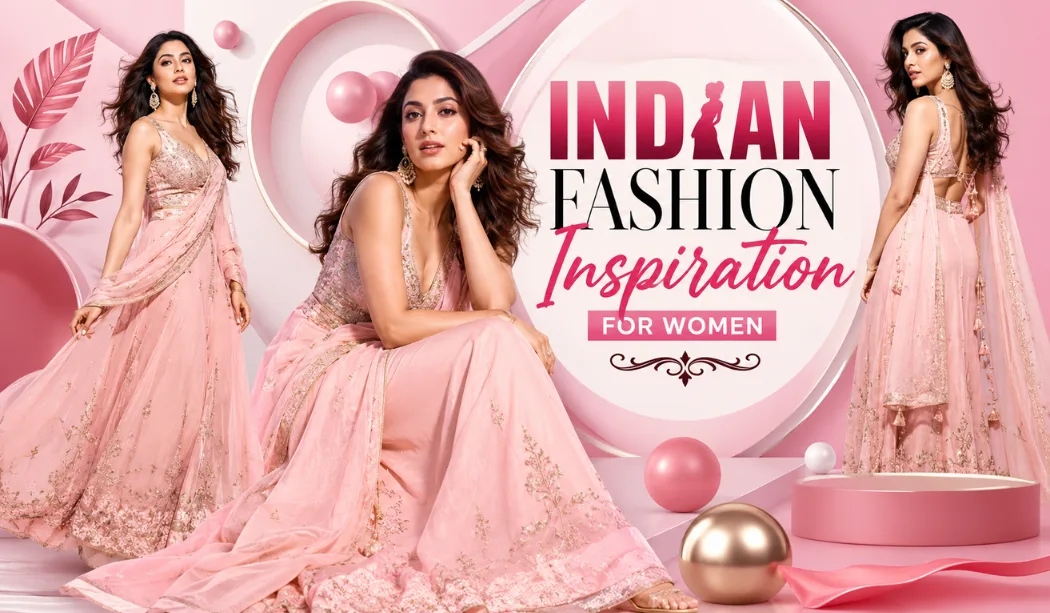
India is a place filled with beautiful colors, rich historical roots, and stunning fashions of clothing. When you visit a celebration or wedding in India it is the attire that immediately grabs the attention of everyone. The reason for this stunning look is in the amazing Indian fashions weaver have designed in the past for many hundreds of years.
Each block print, line or woven thread is a fascinating tale about the history of India and its individuals. No matter if you're just a beginning trying to get a grasp of ethnic wear or an avid follower of the latest trends in design, examining these fabrics is similar to going to a vibrant journey. We invite you to take a joyous journey into the realm of Indian ethnic clothing.
What are the most popular traditional dress patterns in India?
When we discuss traditional Indian garments, we're talking about an enormous collection of art made by hand. Through the years, various regions came up with their own distinctive techniques for decorating fabrics. For instance, certain artisans make use of carved wood blocks for stamping beautiful designs on cotton. Some use a sophisticated method known as resist-dying (a method whereby parts of the cloth are lined with dye blocks) to make stunning designs.
The classic fashions of today have become popular across the world. It is easy to recognize them through their vibrant shades, natural dyes and geometric patterns. From the deserts that are dusty in the West to the lush green mountains of the East Every region has an exclusive look that individuals love wearing at celebrations.
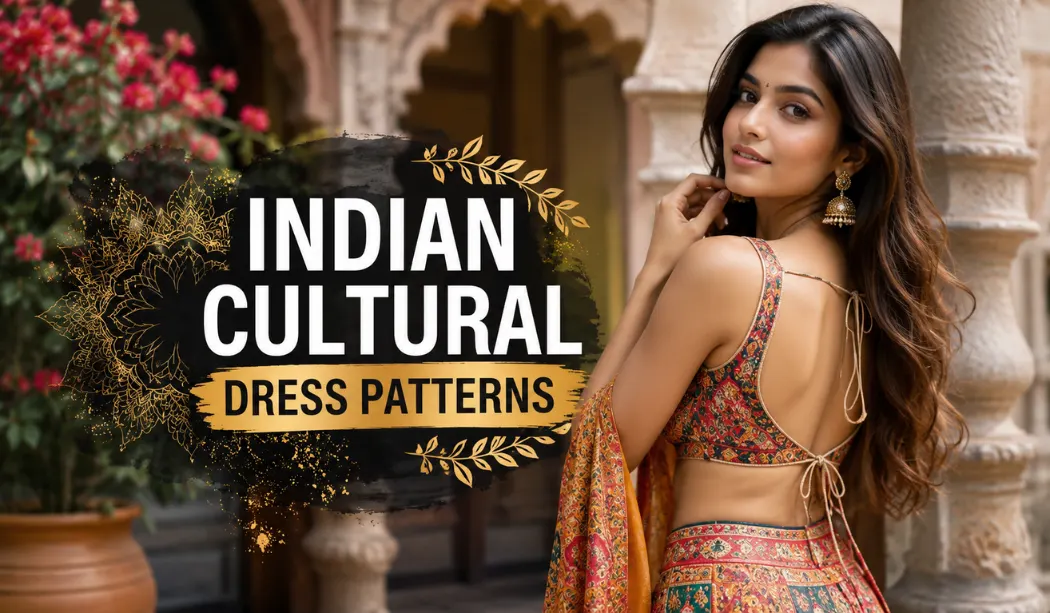
Top 10 Indian Cultural Dress Patterns
India is home to a variety of unique fashions of clothing, but only certain designs have been made into absolute models of the world's fashion. The most popular 10 designs that represent the appeal of Indian apparel:
- Ajrakh: A popular geometric design from Gujarat and Rajasthan which uses deep indigo blue as well as madder red dyes.
- Bandhani is a beautiful tie-and dye technique that makes delicate, stunning dotted designs on silk flowing and georgette.
- Chikankari Chikankari: A exquisite, elegant and delicate hand-embroidered pattern that is a shadowwork from the historical city Lucknow.
- Kanjeevaram Silk Silk: A luxurious thick, heavy style of silk that comes from South India known for its broad, shiny gold thread border.
- Banarasi Brocade: A luxurious fabric made by Varanasi that features gold and silver threads, woven into beautiful flowers.
- Kalamkari Kalamkari: A stunning hand-painted, block-printed or hand-painted cotton fabric from Andhra Pradesh that illustrates classic folk tales.
- Patola Patola very intricate, luxurious double-ikat weave that comes from Patan in which the pattern is printed on threads and dyed prior to weaving.
- Phulkari Phulkari vibrant, cheerful flowery embroidery style originating that comes from Punjab constructed with vivid silk threads, woven on coarse cotton fabric.
- Leheria The Leheria pattern is a vivid tie-dye pattern that originates from Rajasthan which creates stunning, horizontal waves on fabrics that are light.
- Sambalpuri Ikat The most amazing handwoven textile made in Odisha with distinctive mathematical and natural-inspired patterns.
Decoding the Magic of Indian Cultural Dress Patterns
To comprehend why these styles are so distinctive We must understand the process by which artisans design the designs. The most important thing about Indian designs for traditional clothing is that they're closely connected to the natural world and every day life in the village. Weavers are not content with making designs; they transform their environment into wearable art.
Read also: Modern Indian Cultural Fashion Trends: The Ultimate Fusion Guide
Indian Cultural Dress Motifs and Symbols
Every shape you can see in an traditional Indian dress holds a deeper significance. The mango or paisley motif (often referred to as Asavali as well as Keri) is a symbol of prosperity, fertility as well as the beginning of a new chapter. Gorgeous peacock designs ( Kunda) represent beauty and grandeur along with love as well as the arrival of the monsoon season. There are also tiny Star-shaped shapes ( Takar) as well as the scales of fish ( Ngosig) that symbolize an enduring appreciation for the environment.
Why do different Indian states have unique dress styles?
The cause for India's varied clothes is simple: climate and geography. In the scorching, dry plains of Rajasthan the people dress in light cotton shirts with vibrant shades to combat hot temperatures. In the cold mountains of Kashmir there are people who wear thick wool woven with warm designs. The local resources are also important states that have plenty of Mulberry trees were naturally the places for luxurious silk weaving.
Regional Indian Dress Patterns and Styles
Let's look into the amazing ways these styles evolve throughout the nation. An easy local Indian pattern analysis illustrates that the Indian style is split into gorgeous areas, each having distinct identity.
North Indian vs South Indian traditional dress
The style contrast between North in contrast to the South is fascinating. North Indian styles often feature split-length clothing including those of the Salwar Kameez as well as the lavish flared Anarkali dress. The style became fashionable long ago, and are centered on the intricate embroidery of surfaces like Zardozi (gold thread embroidering).
The other side, South Indian traditional clothing is focused on the beautiful weave. Clothing like the traditional Kanjeevaram Sari as well as the Langa Voni (half-sari) include strong, well-structured silk. They're built with solid block of vibrant color as well as shining gold borders, rather than the heavy embroidery.
Traditional Indian Saree Pattern Styles
The sari might be the most renowned unstitched dress around the world. It's a long gorgeous piece of fabric which can be styled more than 100 ways throughout India. Based on the information above, the end that is decorative of a silk saree (called"the pallu) has the finest design. If you wear the case of a Paithani Saree it acts as an art piece that showcases stunning vibrant birds that are woven along with genuine metallic threads.
Wardrobe Guide: Indian Cultural Dress Patterns for Ladies
Are you working on your attire for a upcoming event or for a casual evening out? Indian ethnic clothing offers great alternatives for all occasions.
Latest Indian dress patterns for ladies
The fashion world is experiencing an explosion of heritage handlooms. Designers at the highest end are utilizing ancient Ajrakh as well as Kalamkari patterns for long flowing capes, contemporary maxi dresses, as well as elegant trench coats that are stunning on runways across the world.
Simple Indian dress patterns for ladies
To keep you comfortable For everyday comfort, nothing is better than a lightweight dress like a Kurti (a casual top) worn with comfy cotton trousers. Choose clean and easy Indian designs for dresses with small Chikankari embroideries on the neck. Or, soft Jaipur flowers in block print. They are easy to wear and help you stay cool throughout the day.
Indian cultural dress patterns for festivals
As the holiday season approaches, it's time to pull all the vibrant hues! The most popular Indian ethnic dress designs to wear during festivals are the sparkling Gota Patti work made from Rajasthan and vibrant Bandhani tie dye. They look lively with the festive light and capture the spirit of celebration.
Read also: Indian Cultural Fashion For Weddings: Top Trends And Outfit Guide
How can you style traditional Indian patterns in modern fashion?
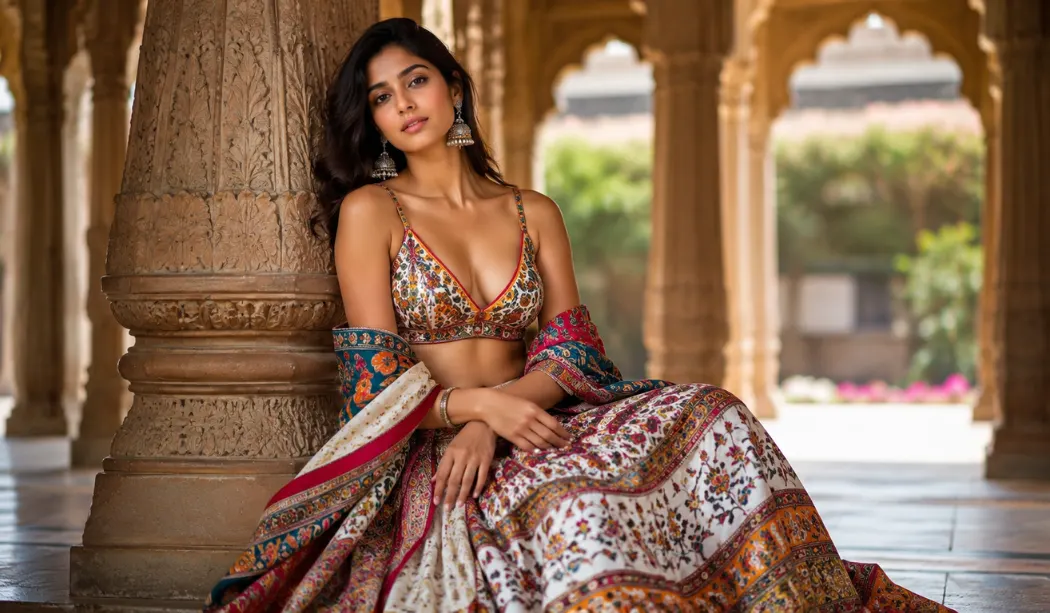
There is no need to wait until a huge Indian wedding ceremony to sport the gorgeous patterns. One of the most fashionable trends in fashion today is Fusion wear mixing traditional Indian fabrics with comfy Western cuts.
Traditional vs Modern Indian Ethnic Wear
Traditional ethnic clothes are beautiful However, modern life demands effortless, comfortable clothing. Young fashionistas mix the traditional with new ways. The focus is on personal expression and breaking traditional limits.
- The Denim Twist: Try sporting a vibrant Phulkari printed jacket with plain white t-shirts with blue jeans.
- The Fusion Crop: Pair an oversized Bangarasi brocade skirt to a basic crop top in black or a clean white button-down.
- A Scarf Accent: Pick an ordinary corporate dress to make it more stylish by wearing a natural-dyed Ajrakh scarves on your neck.
Expert Insights on Indian Textiles
"Indian handlooms are not just pieces of cloth; they are a living archive of our collective history. When you wear an authentic hand-woven pattern, you are supporting an ancestral art form that has survived for millennia." -- Radhika Sharma, Textile Historian & Design Consultant
Frequently Asked Questions
What makes an authentic Bandhani pattern unique?
A genuine Bandhani design is constructed by knotting hundreds of knots in the fabric with thread prior to submerging it in dye. After the knots are loosened and loosened, they create tiny white, irregular dots or squares. There is a tendency to see the wrinkled texture on the fabric. This indicates that it was made manually.
Why are natural dyes so important in traditional printing?
Traditional prints such as Ajrakh depend heavily on natural elements like natural indigo plant, pomegranate peels, the mud and iron rust. The natural dyes are safe for skin and do not damage skin and are environmentally friendly, and get more rich and gorgeous with time, as they are washed.
How should I care for my heavy silk or embroidered outfits?
Traditional Indian attires that feature heavy work or pure silk ought to always be dried cleaned. Don't wash them using normal detergent, and place them on a clear, white cotton to keep delicate threads made of metallic from becoming tarnishing.