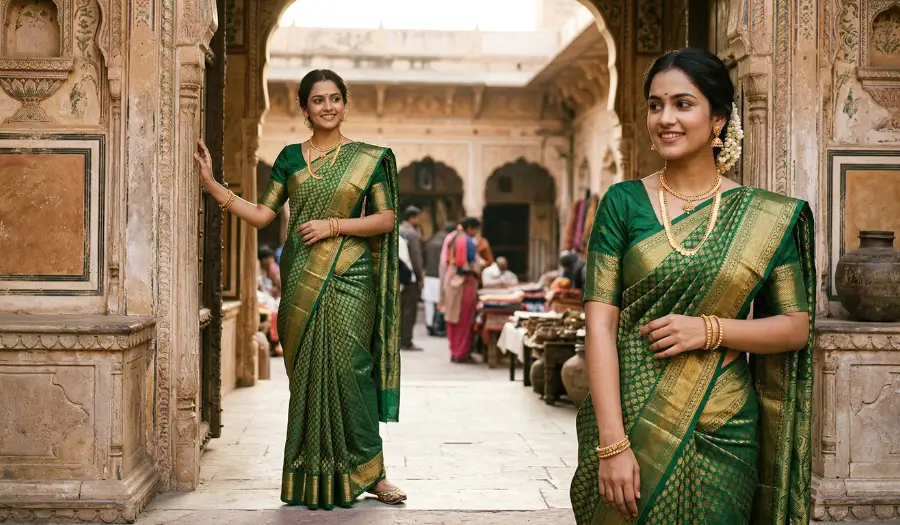
I've spent lots of time in India which includes the vibrant streets of Rajasthan and the tranquil Backwaters within Kerala. Anywhere I travel, the one thing that catches my eye is the gorgeous outfits. Traditional Indian clothing Women's attire isn't only a matter of cloth. It's an actual tale of a fascinating traditional culture. I remember vividly my first experience of putting on a saree from silk. It gave me a distinct sense of belonging to the generations of women prior to my time. This article will cover what I've learned about the traditional dress of Indian women as well as the motives behind why they are so popular across the globe. If you're new to the world of fashion or a seasoned fashionista, We'll explore this fascinating globe together!
What is Traditional Indian Clothing for Females?
It is often a question I get asked "What is traditional Indian attire for females? " I inform them that it's an amalgamation of style and beauty. As opposed to Western attire, which usually conform to the norms of fashion, Indian outfits are designed by women in order to highlight their femininity by using the use of drapes, stitching and layers.
From the lengthy Anarkali suit to the longer Anarkali suits to timeless Salwar Kameez. They are composed of natural materials including cotton and silk. They are perfect to wear during the Indian climate and are stylish for all. These clothes say a lot about the country the person comes from as well as the faith they have to.
Why is Traditional Clothing Important in Indian Culture?
You can inquire, "Why is traditional clothing significant in Indian tradition? " According to me, it's all about being a person of identity and respect. In India our clothes provide a chance to commemorate occasions, honour older people and show off the country's art.
The traditional dress of Indian dresses in female styles connects us to the roots of our ancestors. It is a chance to keep the traditional weave techniques that remain being used. When a woman dressed in her grandma's dress, it is bringing some of their family's history into her. This creates feelings of pride and reverence that clothes of today generally aren't able to convey.
The History of Indian Clothing Female
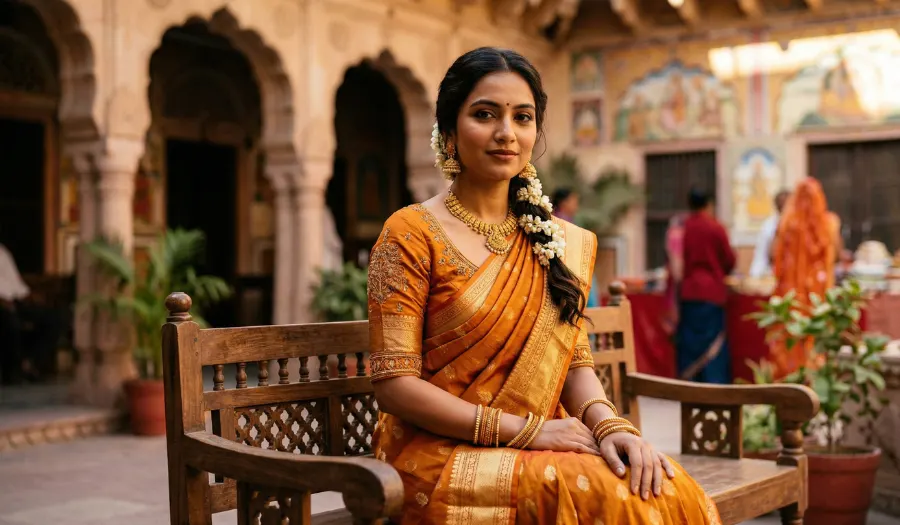
The tale of Indian women's attire has been around for many centuries. From ancient illustrations, we can see images of women in clothes that were draped. They are much like the modern dress of saree. Through the centuries, diverse cultures brought diverse designs.
For instance, the Mughals introduced Kurta or Pajama patterns. And, later following, the British influence introduced blouses to the saree. Combining various fashions has created the wide range of fashion-forward clothing for women are available to this day. It's a voyage of fashion that will never-ending!
Read also: Indian Street Fashion Culture and Styles: The Ultimate Guide
Top 10 Traditional Indian Clothing Female
If you're looking to improve your style, this is the assortment of Indian traditional attire that could be worn with stately in addition to trendy fashions. This is the variety of traditional Indian clothing that women. women of any age are advised to know:
- Saree The most perfect image of Indian style and elegance.
- Salwar Kameez: An easy, three-piece outfit comprising a dress with trousers, a tunic and a scarf.
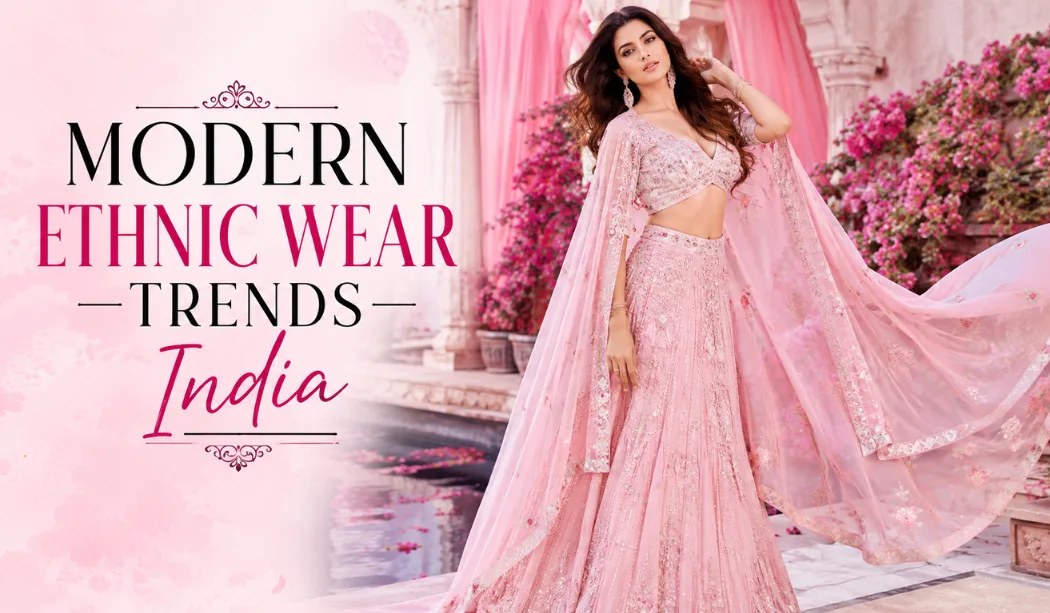
- Lehenga Choli A long skirt and a t-shirt, along with the dupatta.
- Anarkali Suit A classy styled long Frock which flows seamlessly.
- Sharara Set Wide-legged pants look to be the skirt.
- Pattu Pavadai The traditional silk skirts and blouses that teenage girls wear in South India.
- Mekhela Chador Traditional clothing from Assam.
- Phulkari Suit: An attractive, fitted suit, embroidered with Punjab.
- Bandhani Saree: An exquisite tie-dye piece from Gujarat along with Rajasthan.
- Chaniya Cholo The dress is most commonly worn during the vibrant Navratri dance festival.
Importance of Saree in Indian Culture
We can't talk about traditional Indian clothing for women without mentioning the saree, the most traditional of Indian dresses. The significance of a Sari within the Indian culture is huge. It's among the oldest types of clothes all over the world that's highly sought-after today.
A saree is an length of fabric that is usually between five and nine yards in length. Its real beauty lies in how you wear it there are over 80 different ways to wear the Sari. Saris are the symbol for "unstitched" purity that is valued in many Indian celebrations. Saris can be a flexible alternative to wear for the holidays that can be worn for a wedding or even for an office day.
Traditional Indian Clothing Female Party Wear Styles
When it is occasion to celebrate Traditional indian clothes for women is usually the primary focal point. The attire is typically comprised of heavy fabrics like velvet or brocade. The outfits are adorned by beautiful work, like Zardosi embroidery, mirrorwork or embroideries.
If you're planning for a wedding, then an lehenga choli which is thick is the ideal choice. You'll look like a queen. If you're searching for something that is easier to slip into, then elegant and stylish that a floor-length anarkali can work. The modern-day classic Indian gown for ladies can make your appearance stand out from the crowd, and stay traditional.
How to Style Traditional Indian Outfits for Modern Look?
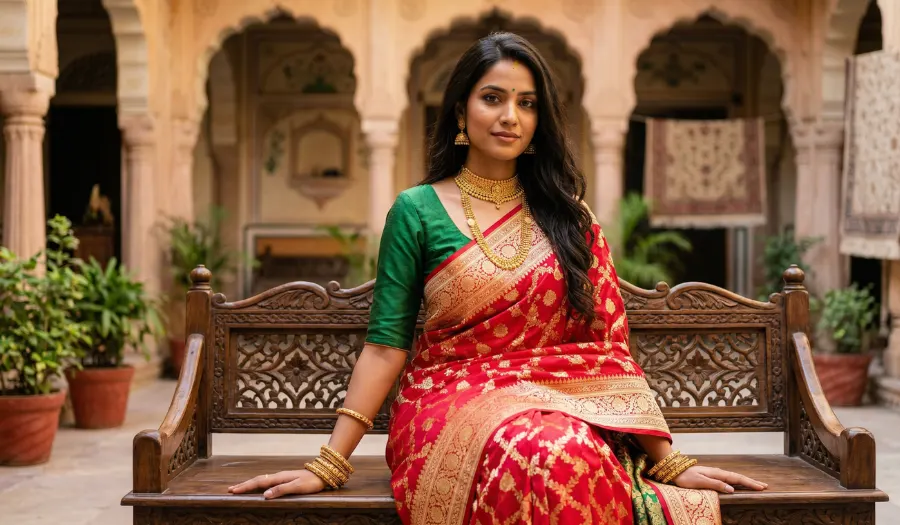
I am often asked by younger teens, "How to style traditional Indian clothing for a contemporary look? " The answer is "fusion. " It is not necessary to adhere to the norms of the past. I enjoy mixing traditional western and ethnic India styles, and making something unique.
Here are some traditional Indian styles to follow for Indian attire for you to look fashionable and chic:
- Secure your saree by tying it with a belt Choose a trendy belt that is made of metal or leather, to secure your waist to the silk dress.
- Kurtis along with Jeans Dress in casual classic Kurti with your favorite blue jeans.
- crop tops Change your traditional top with a trendy crop top when wearing an Lehenga.
- Suits and Shoes In fact, wearing white sneakers with a stylish Salwar dress is very well-liked and comfortable!
Festive Wear vs Casual Ethnic Wear
It's crucial to know what the difference lies between formal attire and casual, traditional attire.
- Casual ethnic clothing: The majority of the clothing is composed from cotton. Simple prints are displayed and can be washed. I use them to shop at the department or work from your house.
- Christmas Dress This is an energy-packed outfit. Consider bright colours, sparkling edges and soft fabrics.
The reality that you've got two of them within your wardrobe will enable you to be ready to meet for a quick meeting coffee or a massive Diwali festival!
Expert Quotes on Indian Fashion
"The Sari is the one fashion item that has not changed over 2,000 years, without requiring any stitch for fitting. " -- Asha Rani, Textile Historian.
"Indian style is all focused on the soul. Wearing the hand-woven dupatta you're in the heartbeat of weaver. " -- Vikram Seth, Fashion Designer.
FAQs about Traditional Indian Dresses
Q: What is the most popular Indian dress?
A: The Saree is frequently considered being the most famous and widely known tradition Indian costume.
Q: Can non-Indians wear traditional Indian clothing?
Yes! Indians are awestruck when people from other nations enjoy wearing Indian attire.. Be sure to don your clothes with respect.
Q: Is Salwar Kameez comfortable for daily use?
A: Yes! It's one of the most comfortable outfits to wear for ladies, particularly during the heat.
My Final Thoughts on Staying Traditional
From my personal knowledge, traditional Indian clothing for women will never go out of fashion. It's eternal. If you're in search of beautiful traditional clothing for women or simply a suit of cotton that is comfortable, these clothes are and beautiful, as well as an underlying feeling.
Be brave to explore new ideas! Consider a completely new color or a an entirely different way of wearing. The realm of Indian clothing is vast and welcoming. Don't stop shining. Wear your Indian culture in pride!