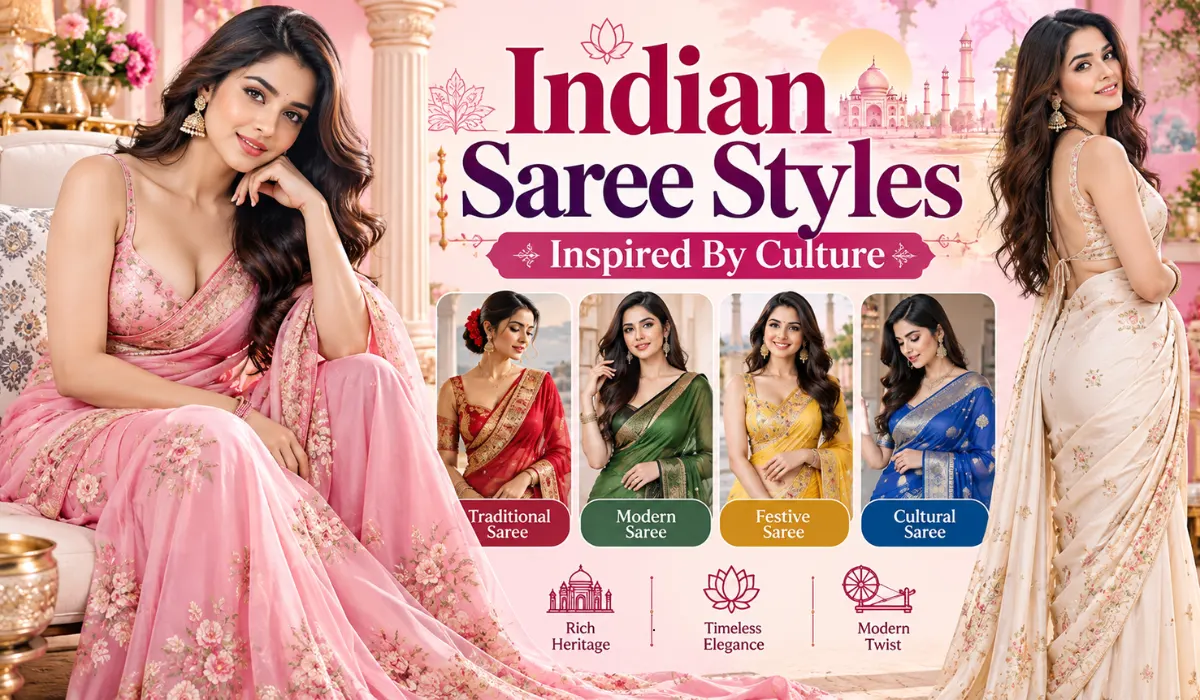
When I drape a classic six-yard weave around myself, I feel like I am wrapping history, art, and centuries of tradition around my soul. Every fold tells a story passed down from our grandmothers. Indian Saree Styles Inspired By Culture are not just pieces of fabric; they are living testaments to our roots, regional diversity, and unmatched craftsmanship. As someone who loves exploring traditional textiles, I am always amazed by how a single piece of unstitched cloth can transform into an emblem of grace. Whether it is the royal sheen of a South Indian silk or the delicate tie-dye magic of the west, these garments unite us. Let us dive deep into the heart of India's most cherished traditional textiles and see why they continue to rule our hearts and wardrobes.
What Are the Most Traditional Indian Saree Styles?
Traditional saree styles vary vastly as you travel from one state to another. In the north, heavy brocades dominate, while the south favors pure mulberry silk with temple borders.
- Banarasi Brocades: Hailing from Uttar Pradesh, these are famous for gold and silver zari work.
- Kanjeevaram Marvels: Originating in Tamil Nadu, they feature distinct contrast borders woven with rich silk.
- Paithani Perfection: Handwoven in Maharashtra, recognized by striking peacock motifs and oblique square designs.
"A traditional saree is a canvas of our ancestral heritage. When you wear a handloom weave, you keep local artisan communities alive." — Dr. Meenakshi Sharma, Textile Historian
Read Also: Modern Indian Cultural Fashion Outfits: Trends And Styling Guide
Why Are Traditional Sarees a Symbol of Indian Culture?
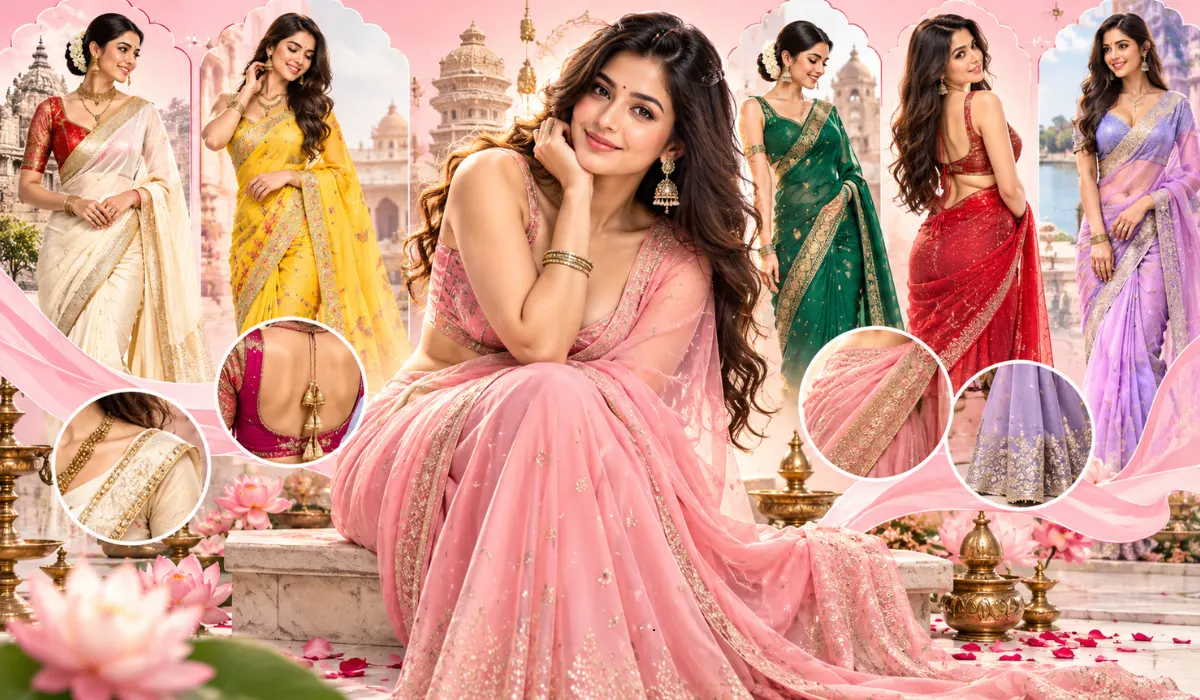
Our clothes often speak before we do. Why are traditional sarees a symbol of Indian culture is a question answered by our festivals, weddings, and daily rituals. From birth ceremonies to weddings, the saree is an essential part of an Indian woman's milestone moments.
It represents modesty, elegance, and cultural pride. Unlike western stitched clothing, the unstitched drape honors the body shape while maintaining cultural modesty and grace. It bridges generations, as mothers proudly pass down their wedding silks to their daughters like precious heirlooms.
Top Indian Saree Styles Inspired By Culture
If you want to build a truly ethnic wardrobe, you must know the Top 10 Indian Saree Styles Inspired By Culture. Each style reflects its local climate, folklore, and weaving traditions.
- Bandhani (Gujarat & Rajasthan): Famous tie-dye dots creating vibrant patterns.
- Chanderi (Madhya Pradesh): Sheer texture blending cotton and silk with lightweight grace.
- Kasavu (Kerala): Crisp off-white cotton with a striking golden zari border.
- Pochampally Ikat (Telangana): Geometric dyed patterns woven with precision.
- Kantha (West Bengal): Fine running-stitch embroidery narrating village tales.
How to Style Traditional Indian Sarees for Modern Occasions
Blending modern trends with ethnic roots is an art. Knowing How to style traditional Indian sarees for modern occasions lets you rock family functions and cultural events with ease. Instead of heavy traditional blouses, try pairing your ethnic weaves with corset tops, crop tops, or chic jackets. Keep your makeup minimal and let the rich pallu do all the talking. Sneakers or block heels can also add a trendy fusion twist while keeping your feet comfortable during long celebrations.
Best Indian Saree Styles Inspired By Culture for Every Wardrobe
Finding the Best Indian Saree Styles Inspired By Culture depends on your personal comfort and the event you are attending. For hot summer days, lightweight cotton drapes work best. For winter weddings, heavy silk weaves keep you warm and regal.
- For Daily Wear: Choose breathable Bengal Tant or light Bhagalpuri silk.
- For Grand Festivities: Opt for Patola or rich Kanjeevaram silks.
Embracing Indian traditional saree styles for women
Every woman loves the comfort and poise offered by Indian traditional saree styles for women. These drapes are designed to flatter every body type effortlessly. Unlike fixed-size outfits, a six-yard drape adjusts to your body. It adapts to you, making you feel confident whether you are attending a corporate ethnic day or a grand family festival.
Read Also: Indian Ethnic Fashion Culture And Style: Trends And Outfits
Celebrating Regional Indian saree styles and traditions
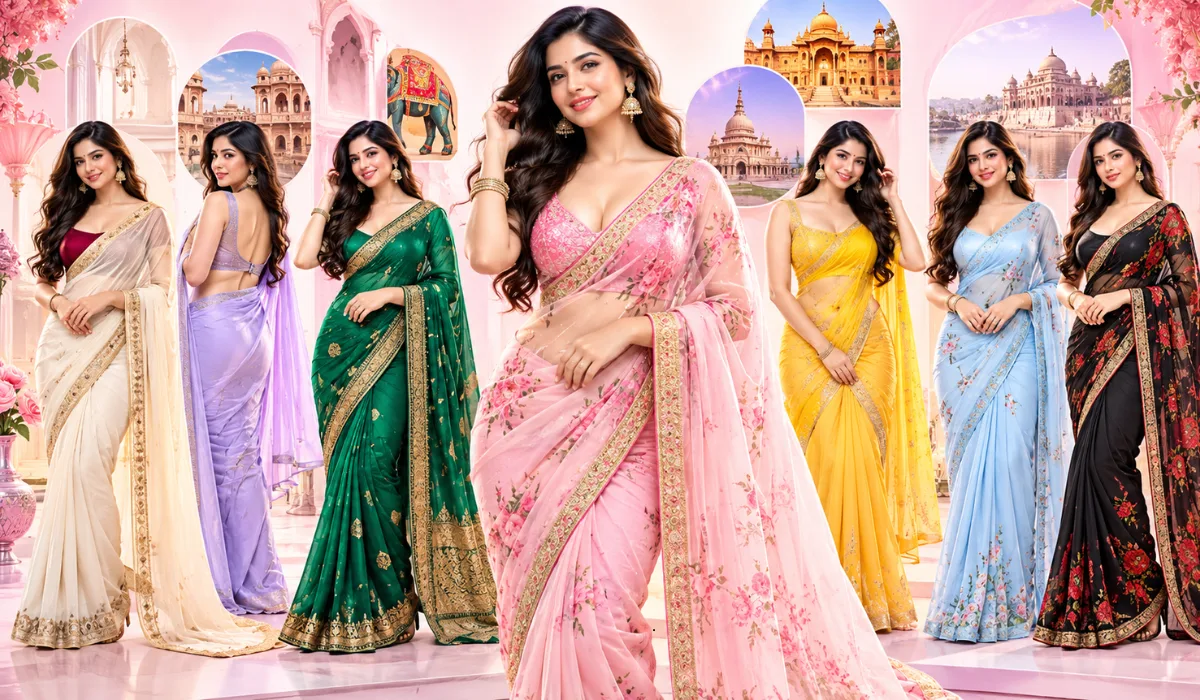
Our country's beauty lies in its diversity. Regional Indian saree styles and traditions show how geography shapes textile art.
- Coastal regions prefer breathable cottons due to humidity.
- Hilly areas like Jammu & Kashmir feature warm wool blends and pashminas.
- Central plains embrace shimmering silk-cotton mixes.
Appreciating Traditional Indian sarees with regional designs
The motifs woven into these fabrics carry deep meanings. Traditional Indian sarees with regional designs often showcase lotus flowers, peacocks, temple spires, and geometric checks.
"When an artisan weaves a temple border or a floral vine, they are embedding nature and faith into the threads. It is poetry made of yarn." — Rohan Verma, Master Weaver & Handloom Revivalist
Styling Culturally inspired saree outfits for women
Creating culturally inspired saree outfits for women is all about respecting the craft. Accessorize your drapes with authentic handcrafted pieces like silver jhumkas, terracotta jewelry, or traditional temple gold sets to complete your look.
Exploring Ethnic saree styles inspired by Indian traditions
From the vibrant ghats of Varanasi to the temple towns of the south, ethnic saree styles inspired by Indian traditions give us a glimpse of our glorious past. Wearing them is a proud nod to our indigenous artisans.
Unveiling Traditional Indian saree patterns and designs
The geometry and symmetry found in traditional Indian saree patterns and designs require immense mathematical precision. Double ikat techniques, for instance, demand that warp and weft yarns be dyed before the weaving even begins.
Spotlight on Garad saree Bengali traditional style
The Garad saree Bengali traditional style holds a special place in my heart. Characterized by a crisp white or off-white body and a vibrant red border, this pure silk saree is a staple during Durga Puja. "Garad" means white, signifying purity. It is wonderfully lightweight and carries an unmatched traditional charm.
Journey Through Different types of sarees of different states
Discovering the different types of sarees of different states is like taking a cross-country train tour without leaving your room.
| State | Famous Saree Style | Special Feature |
| Uttar Pradesh | Banarasi | Heavy gold zari brocade |
| Tamil Nadu | Kanjeevaram | Contrast temple borders |
| Gujarat | Patola | Double ikat weave |
| Maharashtra | Paithani | Kaleidoscope peacock pallu |
Finding Heritage saree styles for Indian weddings
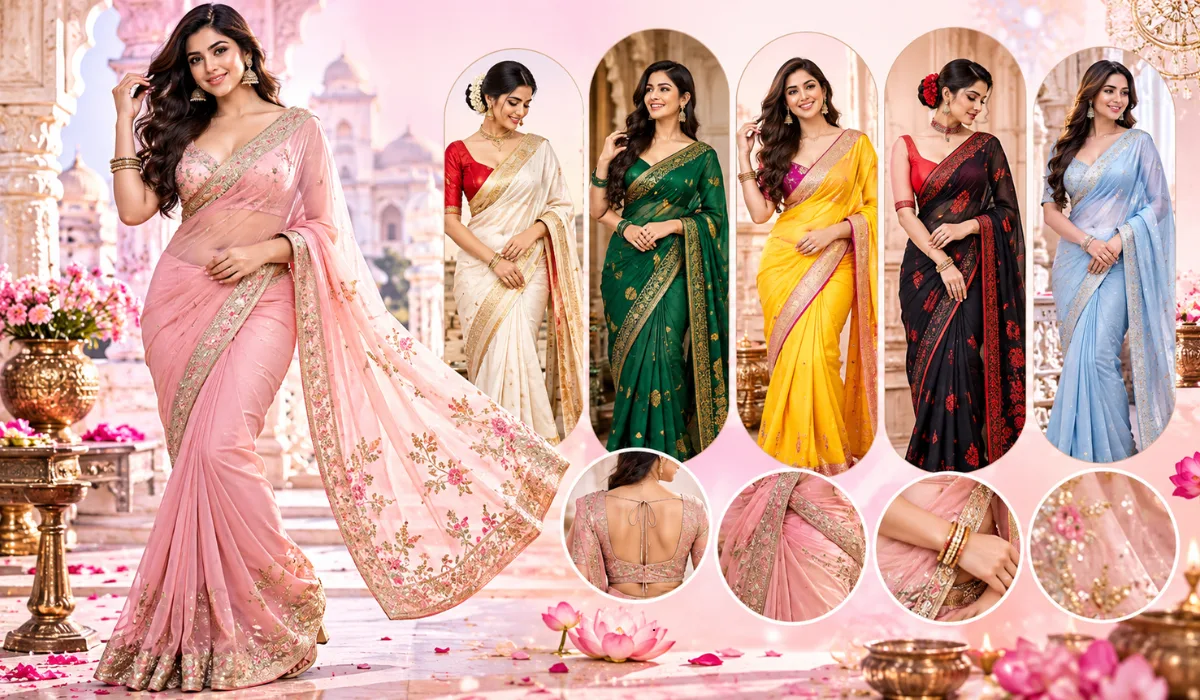
When wedding season arrives, heritage saree styles for Indian weddings take center stage. Brides look breathtaking in red and gold heirloom pieces that radiate royal elegance and lifelong prosperity.
Read Also: Indian Cultural Fashion For Modern Women: Style And Trends
Perfecting Indian saree styling with traditional jewelry
Completing your look with Indian saree styling with traditional jewelry transforms your outfit into a masterpiece. Pair your silk drapes with antique gold necklaces, gajras in your hair, and traditional bangles to look picture-perfect.
Frequently Asked Questions
What is the most famous Indian saree style?
The Banarasi silk saree from Uttar Pradesh and the Kanjeevaram saree from Tamil Nadu are widely considered the most famous and luxurious traditional Indian saree styles.
How can I identify a pure handloom saree?
Look closely at the reverse side of the fabric. Handloom sarees usually have slight irregularities and loose floating threads, whereas powerloom items look unnaturally uniform and mechanical.
Are lightweight traditional sarees available for daily wear?
Yes! Options like Bengal Tant, Chanderi cotton, and Bhagalpuri silk offer breathability and comfort for everyday wear.